From data to insight, from insight to decisions
From sentiment analysis to crisis management, from public opinion to brand perception: guides that explain modern analytics concepts clearly and in depth.

What Is Social Listening? Definition, Examples and How It Differs From Monitoring
Social listening is collecting what people say about a brand, topic or institution online and analyzing what it means. How it differs from social media monitoring, how it works in five steps, which metrics matter and the mistakes that make results misleading.
Read the article
How to Choose a Social Listening Tool: 12 Questions to Ask Before You Buy
Most social listening tools look similar in a demo. The differences show up later: in the sources they cover, how clean the data is, how deeply they read sentiment and whether you can check the result. A practical guide and a 12-question checklist for choosing a social listening or media monitoring tool.
Read the article
Turkish Social Listening: Why Turkish Is Hard to Analyze and What to Look for in a Tool
Many social listening tools list Turkish as a supported language, but support can mean anything from keyword matching to reading context. Why Turkish is hard for machines, which local sources matter, and the questions to ask before you trust Turkish sentiment numbers.
Read the article
How to Spot Fake Followers: Are an Account's Followers Real?
Follower count alone does not show how strong an account is. The signs that give fake followers away, a 15-minute check, and the questions to ask before working with an influencer.
Read the article
What Is Media Monitoring? Tracking Your Brand Across News, Social Media and Forums
Media monitoring means collecting what is published about a brand or organization in one place and making sense of it. What to track, the difference between clippings and analysis, and the questions to ask when choosing a media monitoring service.
Read the article
How to Do Competitor Analysis on Social Media: A Step-by-Step Guide and Template
Competitor analysis is not only about what competitors post, but about what the audience says about them. The measures to track, 8 steps and a ready-to-use competitor analysis template.
Read the article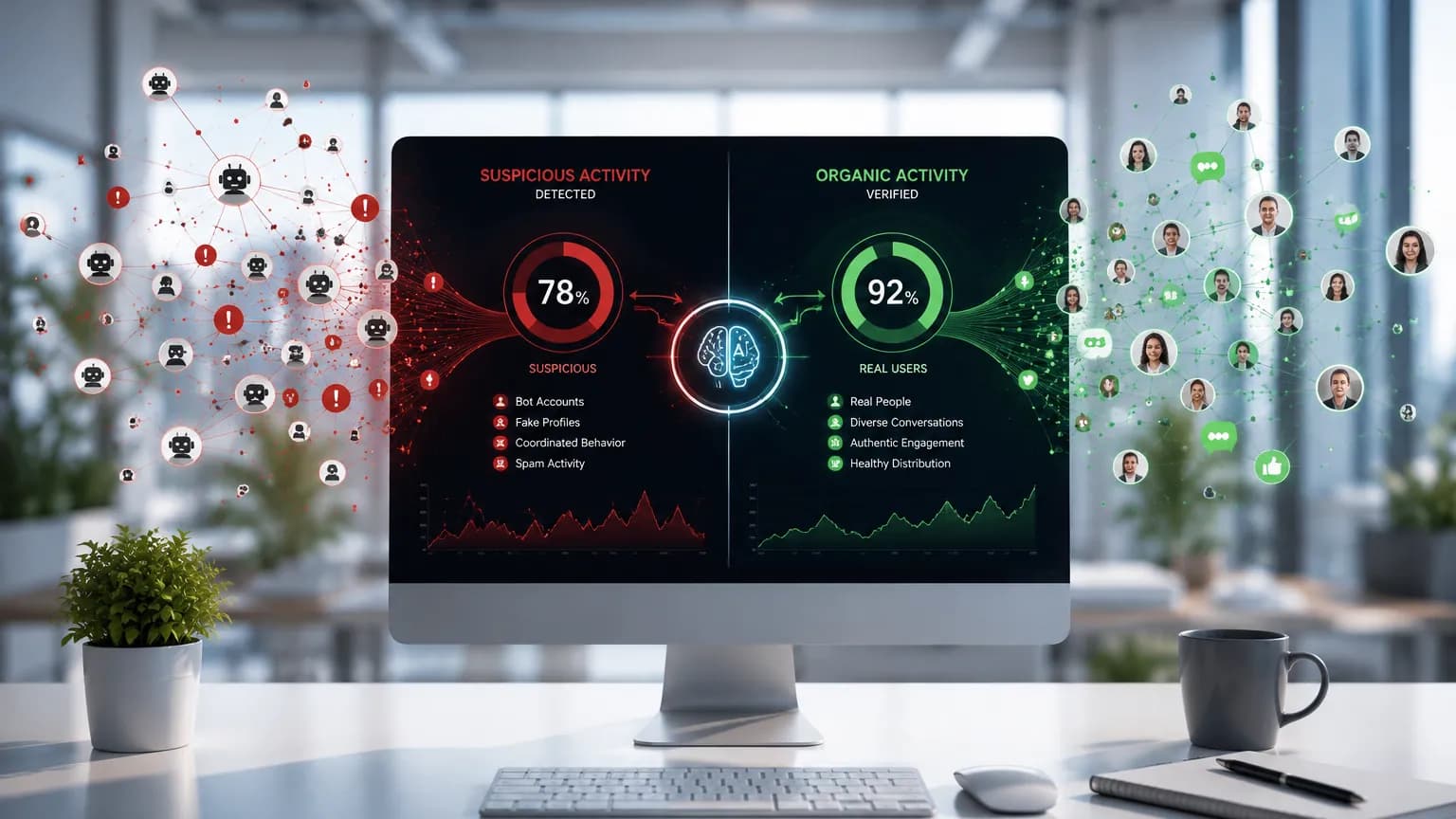
Bot and Fake Engagement Analysis: How Real Public Opinion Is Told Apart
Not all visible activity in the digital world represents organic human behavior. Dirty data produces flawed insight; the real question is not how much is being said, but how much of that conversation is real.
Read the article
How Are the First Signals of a Digital Crisis Detected?
Digital crises do not always start all at once; sometimes they give off only a few signals first. The power of early warning comes not from tracking a single metric, but from being able to see the relationship between different signals.
Read the article
What Is Crisis Analysis? How a Crisis Begins, Grows and Fades
A crisis is usually noticed once everyone starts talking about it, yet it may not have begun at that moment. What matters is seeing where it started, what fueled its growth, and whether its impact truly ends when the news cycle does.
Read the article
What Is Consumer Insight? Understanding What People Actually Want
Data shows what happened; insight looks for what it means. People do not always do what they say, and beneath every complaint a different expectation may be waiting.
Read the article
What Is Brand Health? How the Health of a Brand Is Measured
A brand that looks strong today may be weakening at the same time. Brand health is visible not in a single metric, but in what the indicators say together and in the direction of change.
Read the article
How Is Brand Perception Measured? How a Brand Is Positioned in the Consumer's Mind
Two brands can share the same favourable sentiment score and still occupy entirely different places in the consumer's mind. What matters is which traits are attached to the brand, and where that is heading.
Read the article
How Is a Political Figure's Perception Measured? How a Leader Is Seen by Society
Political perception is not merely favourable, unfavourable or neutral. Supporters, opponents and the undecided read the same behaviour differently; the real task is seeing who interprets which trait, and how.
Read the article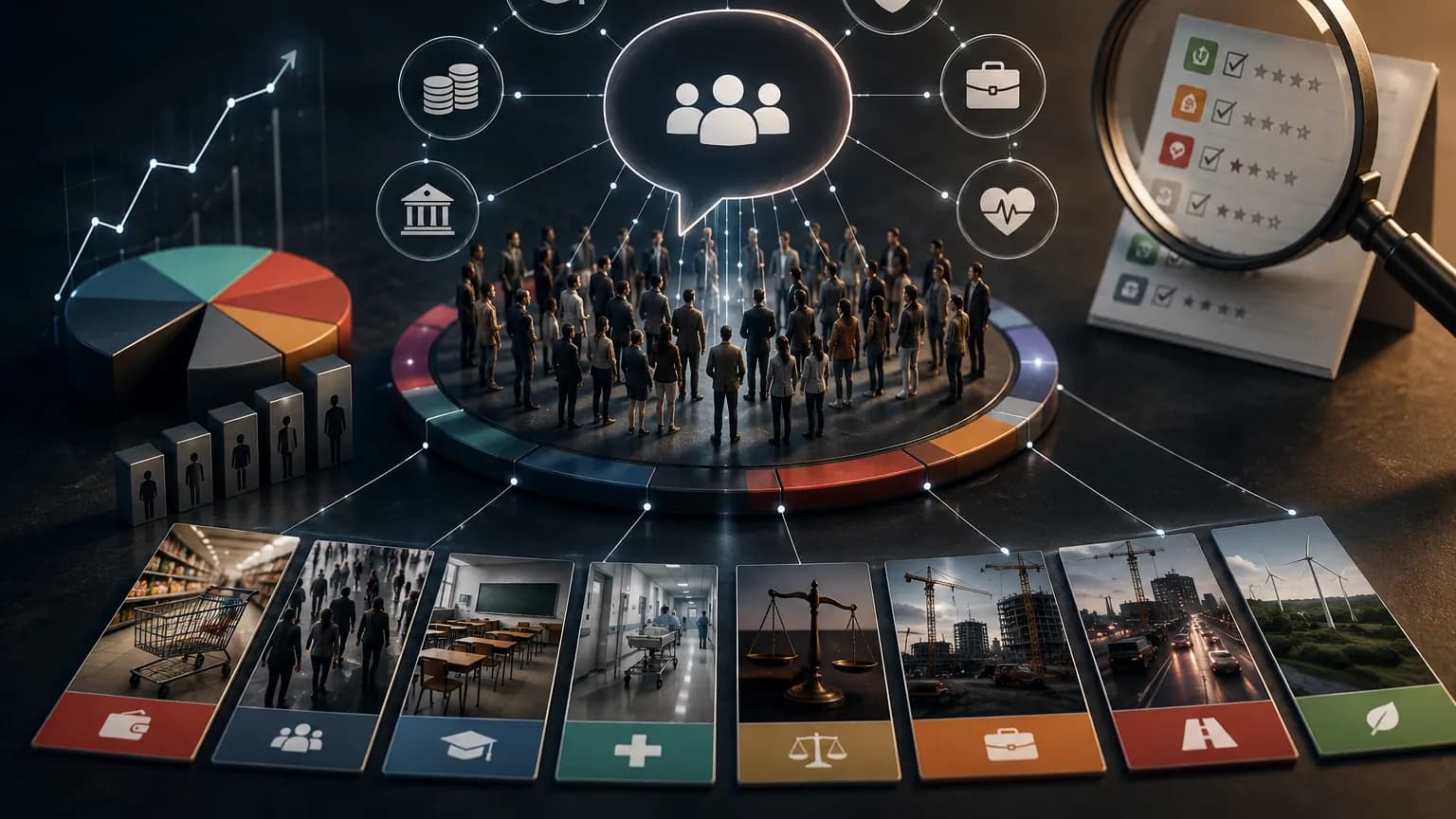
How Are Voter Expectations Analysed? What People Actually Want From Politics
Being a supporter and being satisfied with everything are not the same thing. Criticism is often not opposition but an unmet expectation; the real question is which of today's criticisms will shape tomorrow's behaviour.
Read the article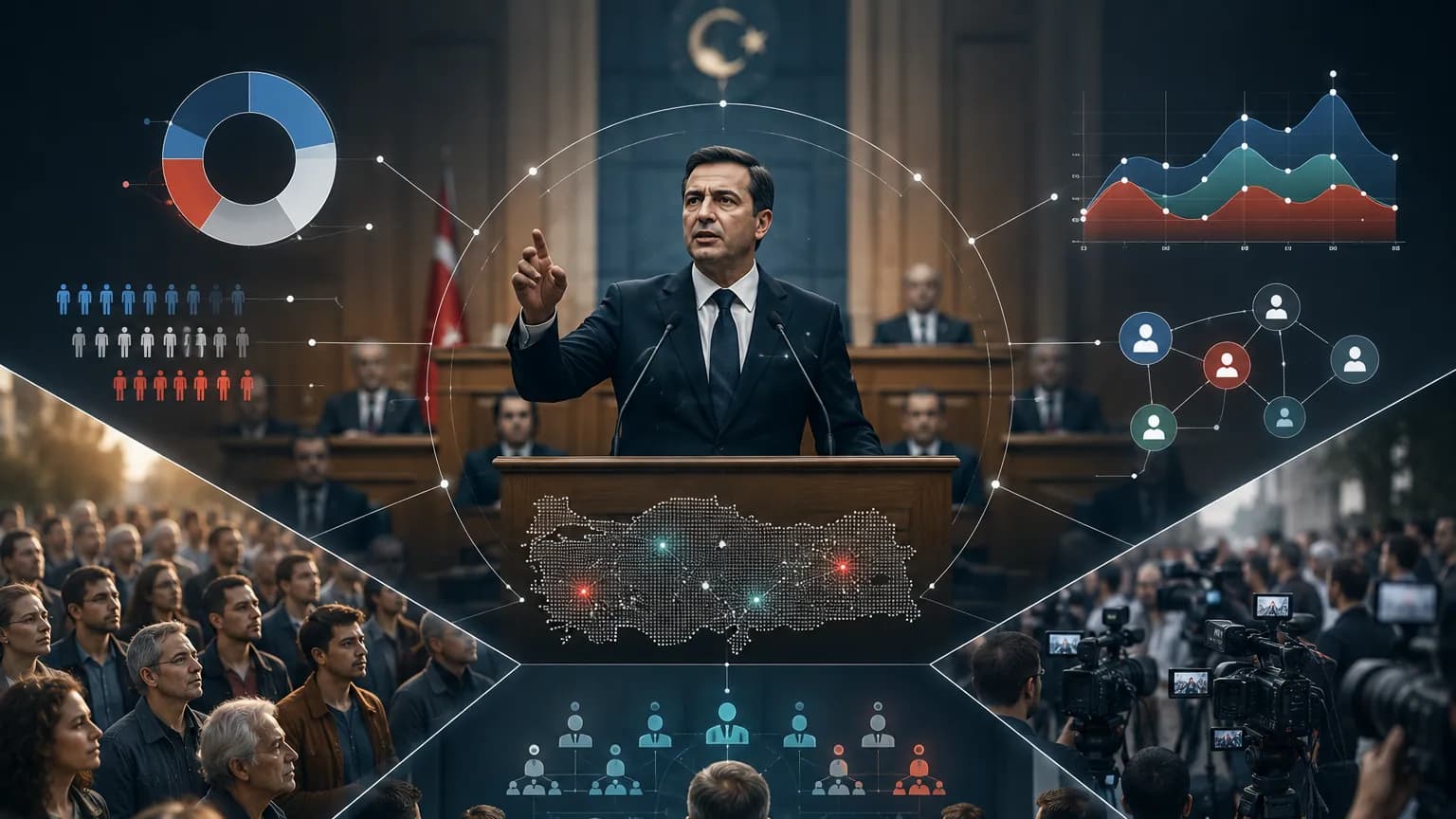
What Is Political Analysis? The Difference Between Following Politics and Understanding It
Visibility does not mean support, the agenda does not form on its own, and crises rarely begin all at once. Political analysis seeks the reasons and the direction behind visible developments.
Read the article
What Is Public Opinion Analysis? How to Read a Society's Real Tendencies
Public opinion is not a percentage. Entirely different reasons can sit behind the same level of support, and digital visibility is not the same thing as social representation.
Read the article
What Is Predictive Analysis? What Data Can Say About the Future
The aim of predictive analysis is not to state the future with certainty, but to see the signals of a change that has not happened yet. What matters is not a single metric, but how several signals move together.
Read the article
What Is Anomaly Analysis? What Unusual Shifts in Data Tell Us
An important shift leaves traces in the data before it becomes a crisis or a headline. Anomaly analysis catches those first signals; the real question is not spotting what differs, but understanding why it differs.
Read the article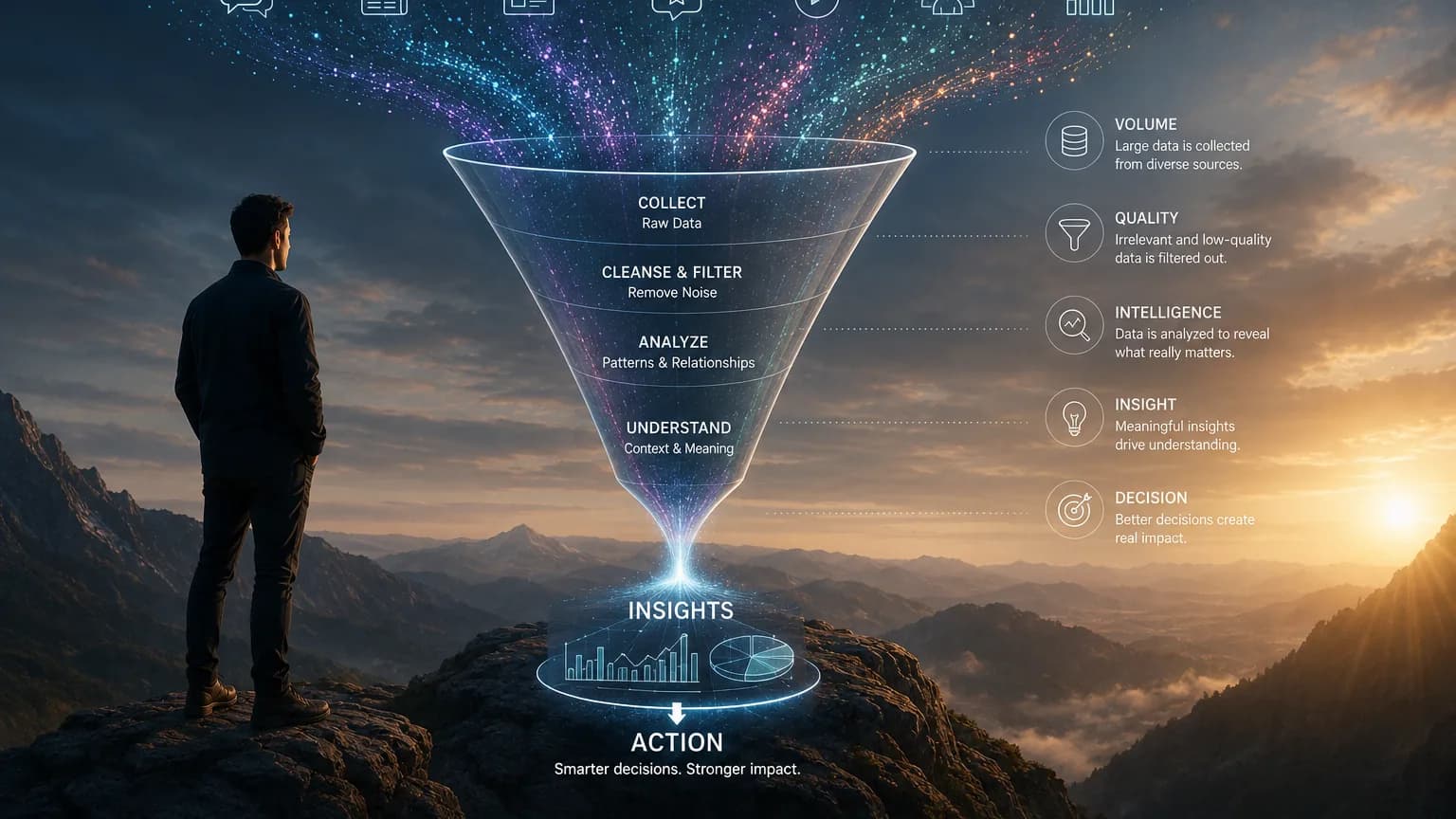
What Is Data Intelligence? Turning Data into Knowledge and Knowledge into Decisions
The problem for organisations is no longer reaching data, but understanding what the data means. How it differs from data analytics, and why more data is not always better.
Read the article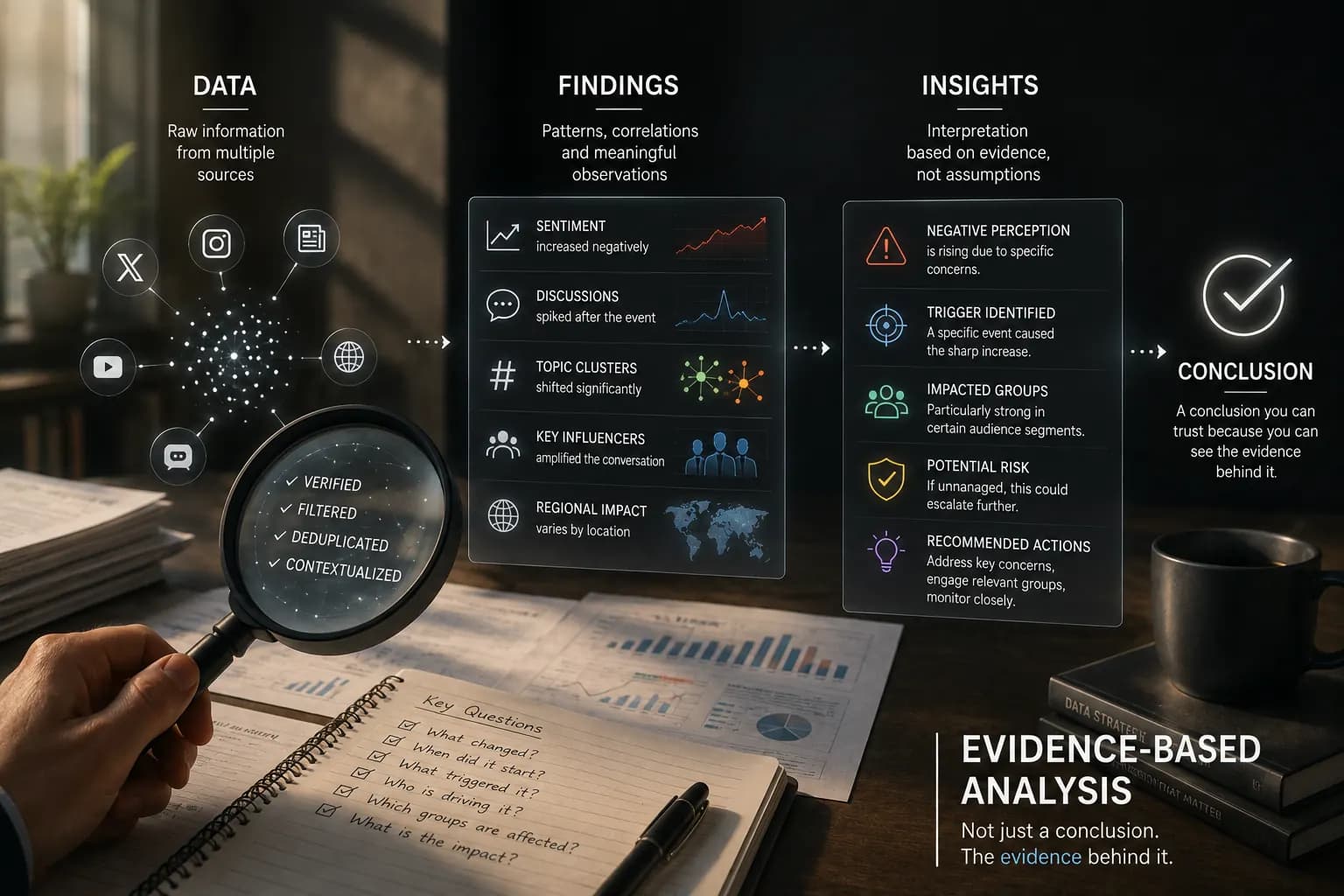
What Is Evidence-Based Analysis? Not Believing a Conclusion, but Seeing Its Basis
When data, findings and conclusions are not kept apart, analysis easily turns into opinion. Why the chain of evidence must be traceable, and whether the data itself can be trusted.
Read the article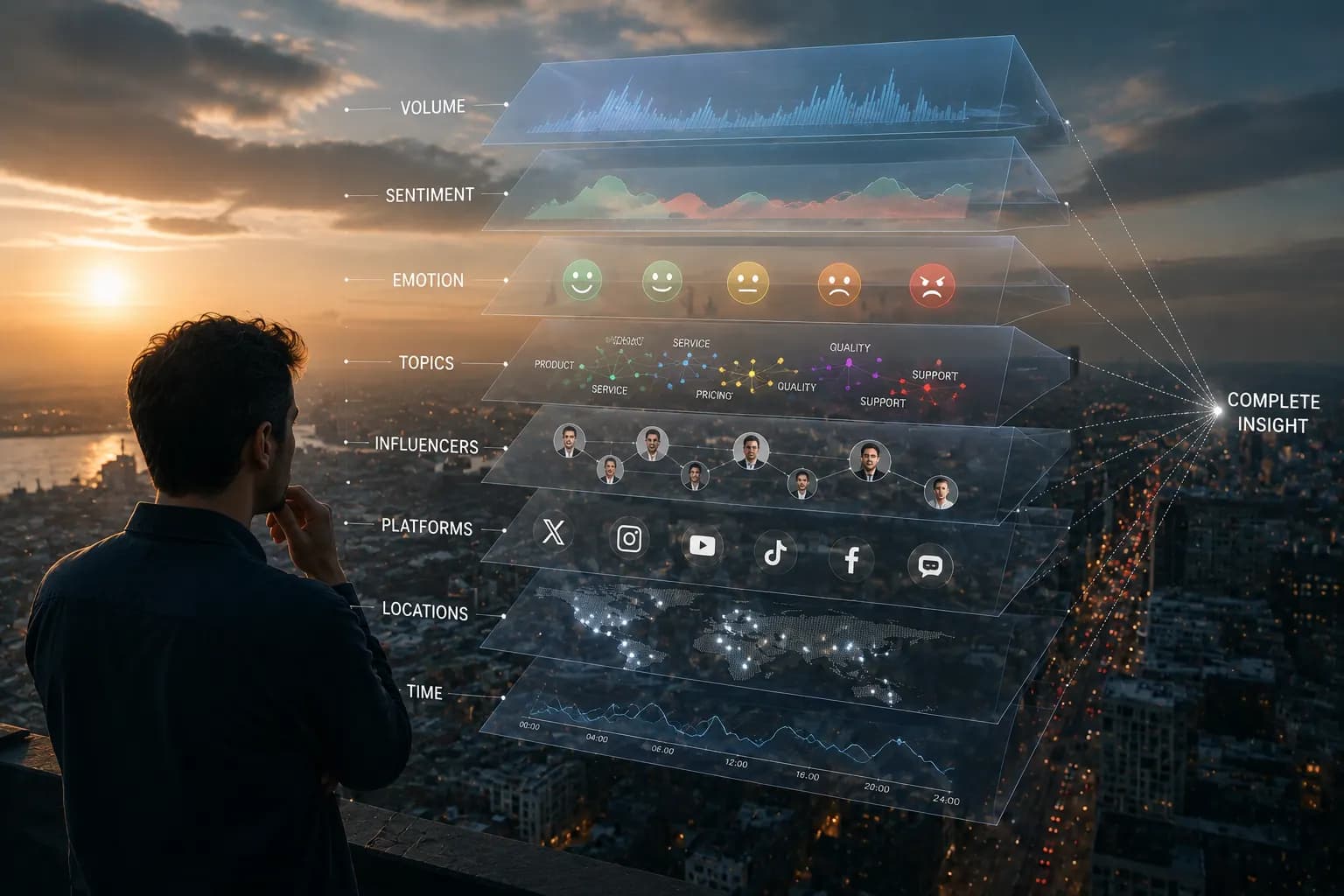
What Is Multi-Layer Analysis? Why Isn't One Angle on the Data Enough?
Visibility can rise while perception worsens. Why a single metric misleads, why correlation is not always cause, and how the story changes when the layers come together.
Read the article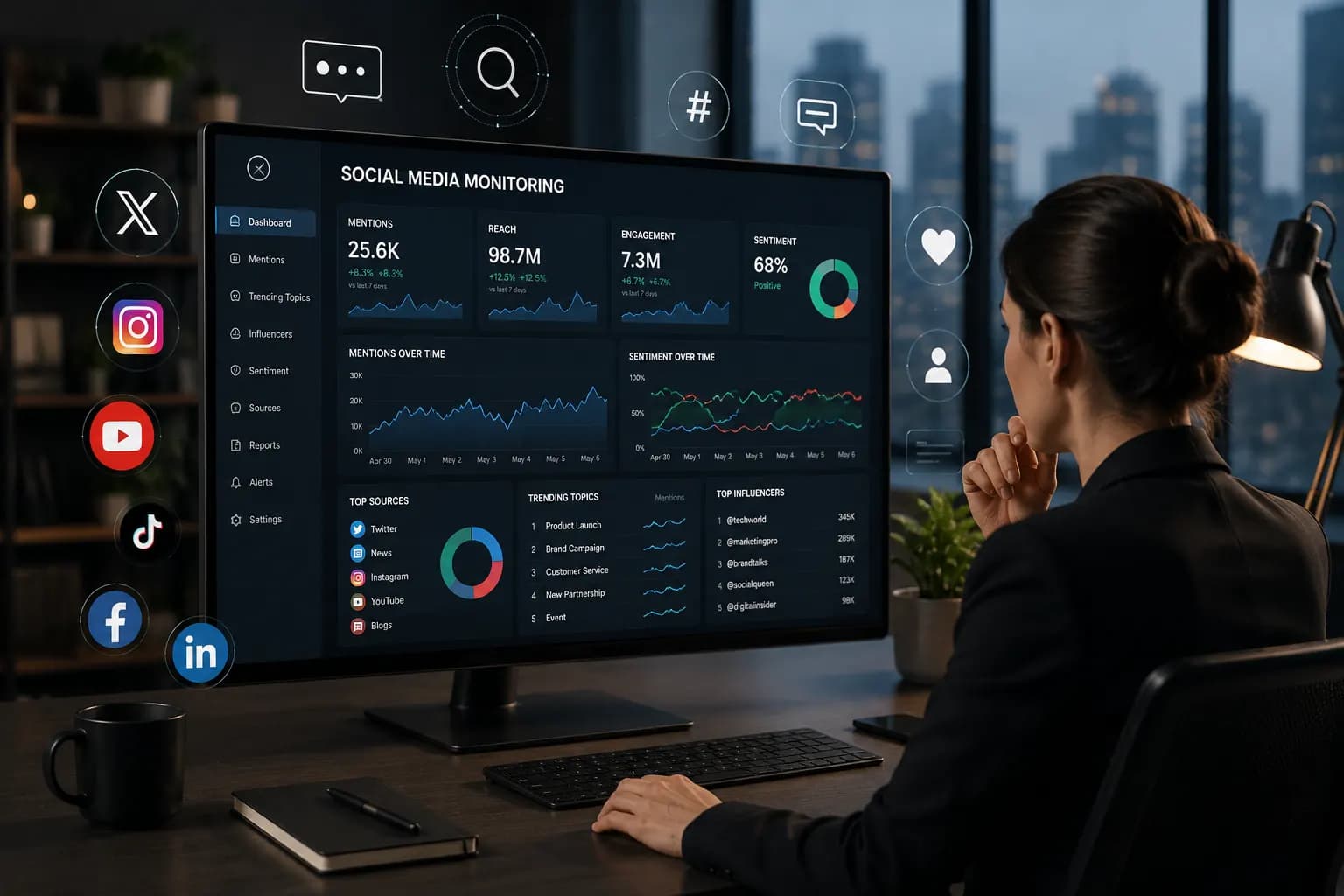
What Is Social Media Monitoring? The Difference Between Tracking and Understanding
Monitoring captures the data; analysis reveals what the data says. What social media monitoring tracks, how it differs from social listening, how to set it up in six steps and which metrics and alerts matter.
Read the article
What Is Virality Analysis? Why Does a Piece of Content or a Topic Spread?
High reach and virality are not the same thing. Two movements reaching the same number can have spread in completely different ways; what matters is the structure of the spread.
Read the article
What Is Trend Analysis? Reading Change Before It Arrives
Not everything widely discussed is a trend. Why speed, persistence and spread say more than volume, and how artificially inflated movement differs from organic change.
Read the article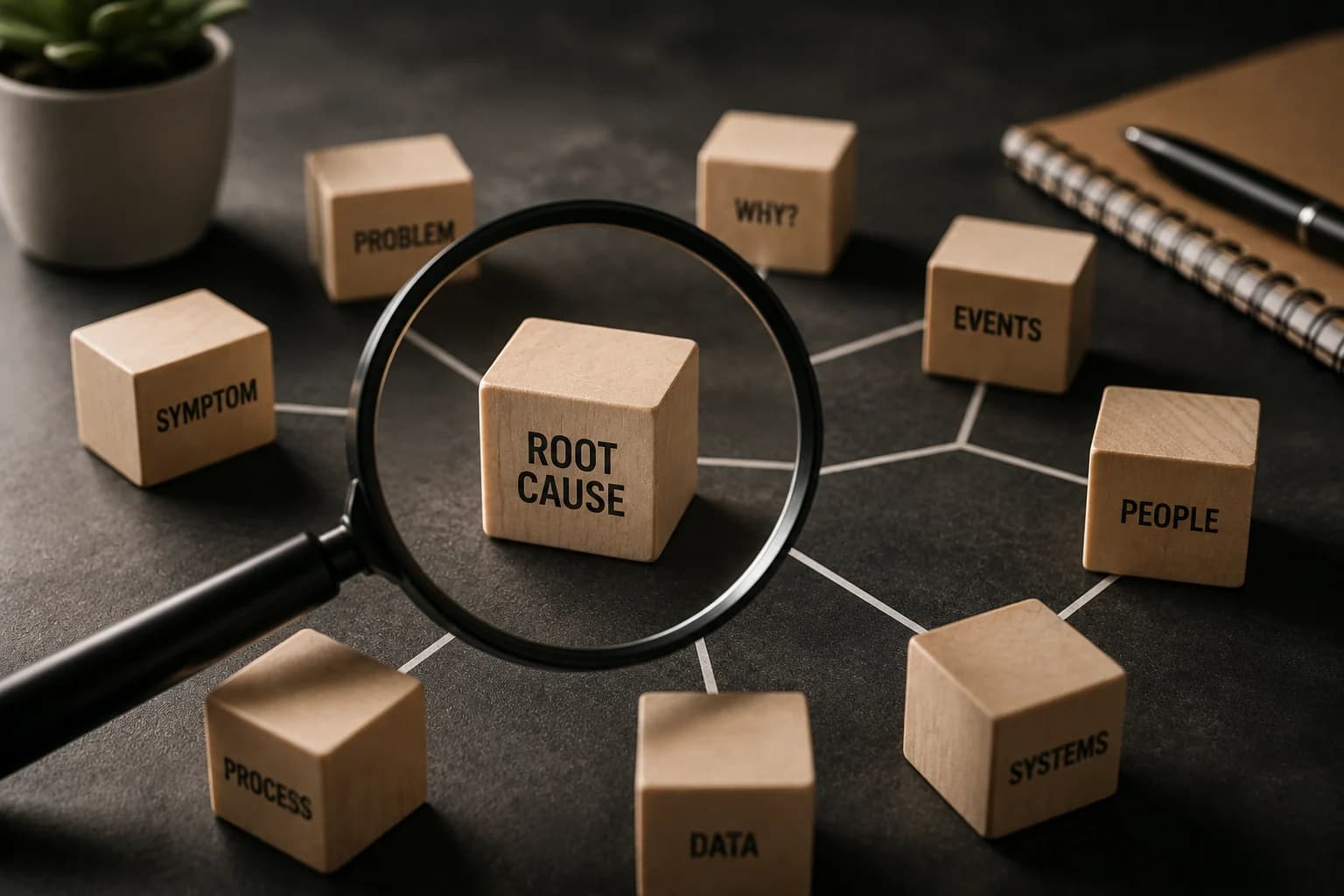
What Is Root Cause Analysis? Understanding the Real Reason Behind a Change
A symptom is not a cause. The same outcome can arise from entirely different reasons, and knowing the root cause changes which action you take.
Read the article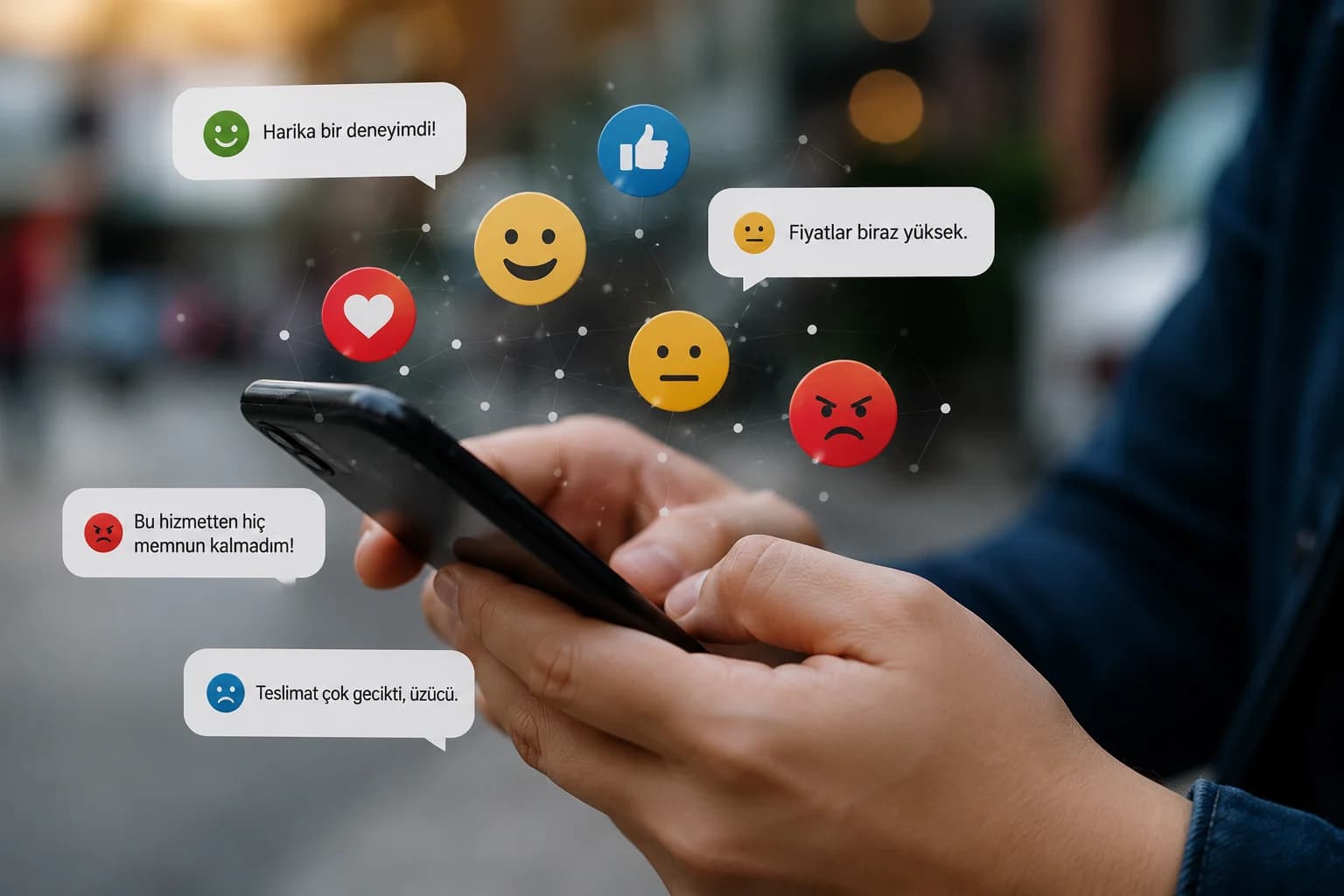
What Is Sentiment Analysis? Beyond Positive and Negative
The same negativity is not the same emotion. Why the difference between disappointment, anger and worry matters, and how context and intent show that sentiment alone is not enough.
Read the article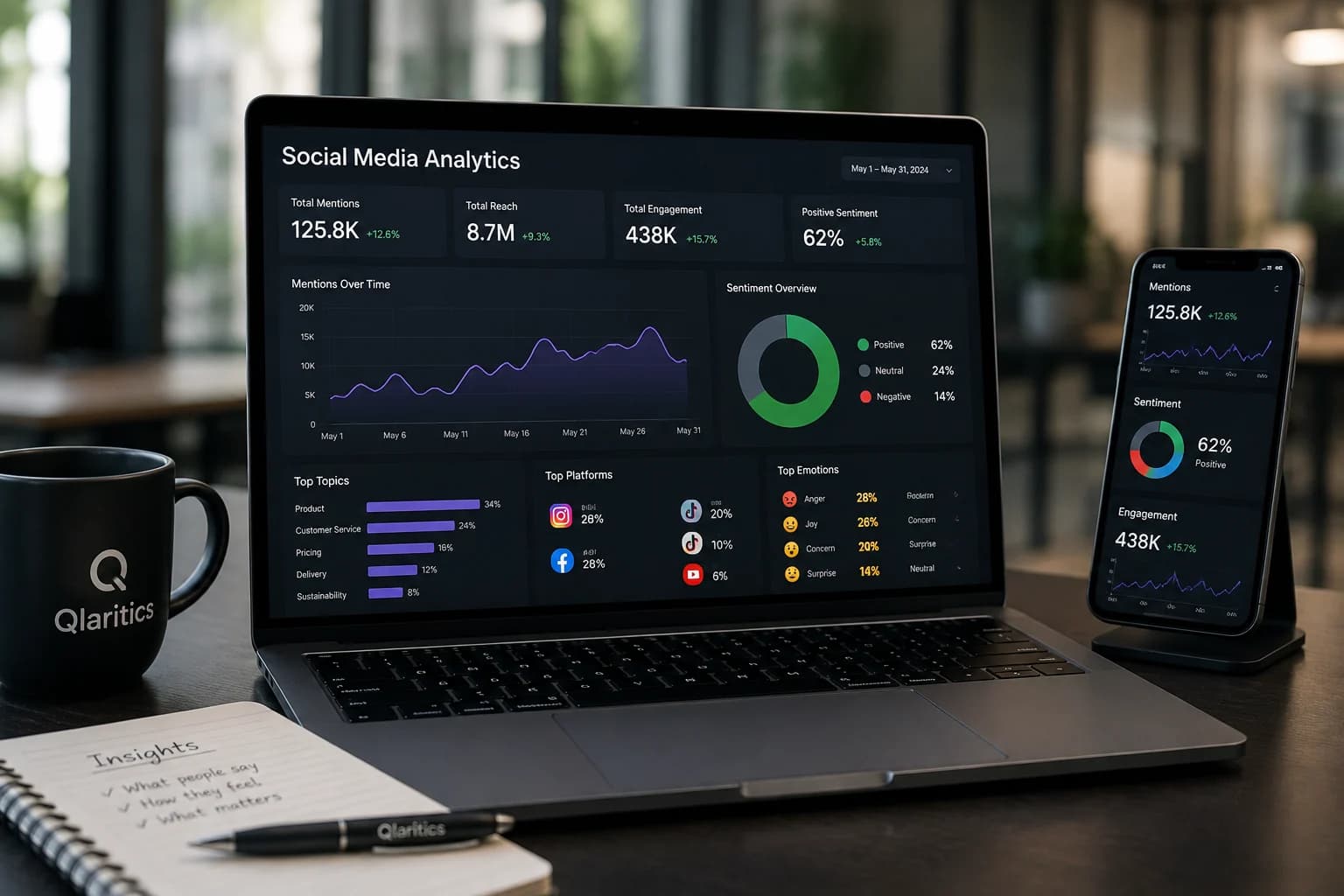
What Is Social Media Analysis? What Is Measured, and How Is It Read?
Social media analysis is not about counting likes and followers. What gets measured, how it differs from monitoring, and why data reliability decides the outcome.
Read the article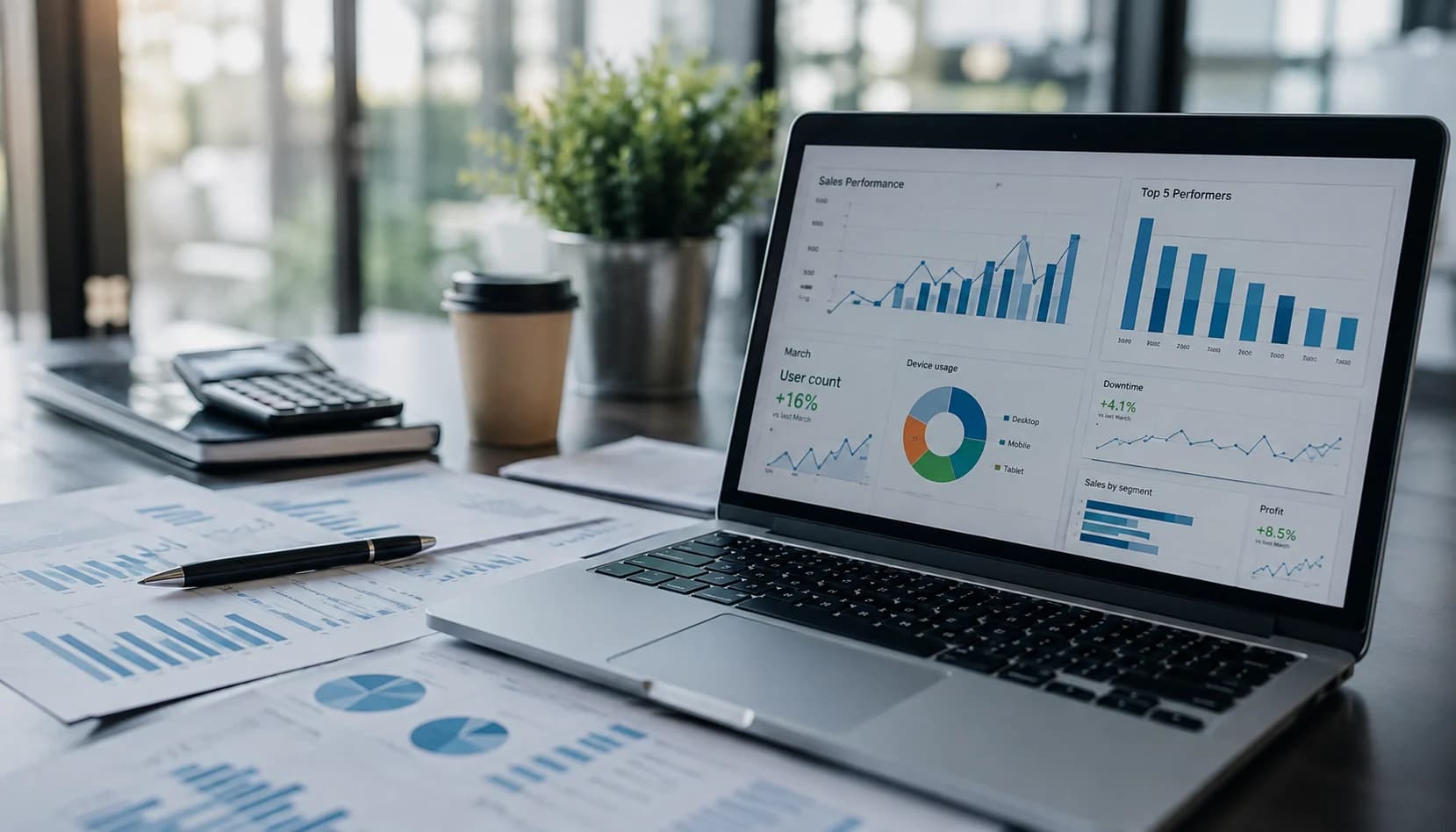
What Is Data Analysis? From Seeing Data to Understanding It
Having data is not the same as understanding it. The four levels of data analysis, and why moving beyond “what happened?” matters.
Read the article